Resources
The City of Los Altos has spent years studying how to create a more vibrant, active, and economically resilient downtown through its Downtown Vision process and subsequent parking planning efforts.
Together, these documents highlight community goals such as enhancing public gathering spaces, supporting local businesses, improving downtown vitality, and exploring redevelopment opportunities while ensuring parking remains available to meet current and future needs.
As a result, they are looking to transform a publicly owned, desolate space in downtown into a vibrant, welcoming park that reflects our community’s unique character and evolving open-space needs. This new public park aims to enhance downtown’s appeal as a destination for residents, visitors, and businesses - providing opportunities for relaxation, connection, events, and cultural expression.
Case Studies
-
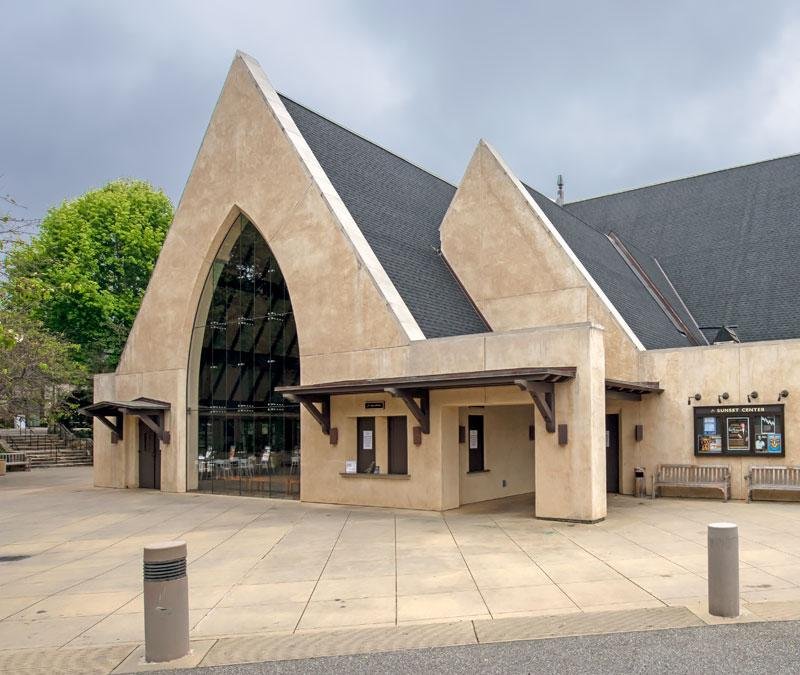
Sunset Center - Carmel-By-The-Sea
The Sunset Center demonstrates how a performing arts venue can become a defining civic asset in a small, affluent community. Originally built as a school in the 1920s and later transformed into a performing arts center, it now serves as a year-round destination for concerts, lectures, community events, film screenings, and cultural programming. The venue draws residents and visitors into downtown Carmel during evenings and weekends, supporting nearby restaurants, shops, and hotels while reinforcing the town's reputation as a cultural destination.
-
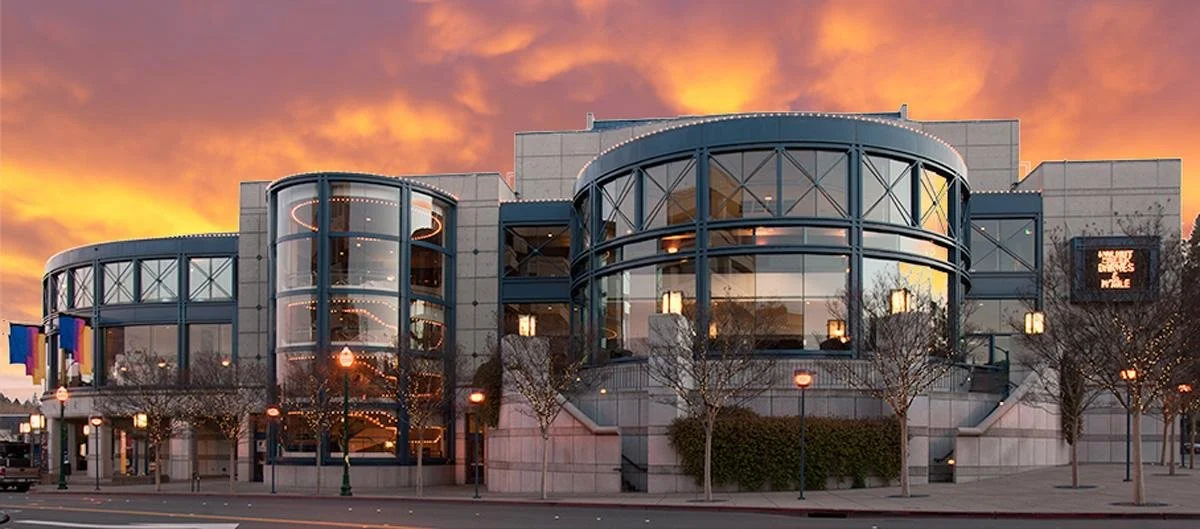
Lesher Center - Walnut Creek
The Lesher Center for the Arts is widely regarded as one of Northern California's most successful examples of arts-led downtown revitalization. Opened in 1990, the multi-venue complex anchors Walnut Creek's cultural district and hosts hundreds of performances, exhibitions, educational programs, and community events each year. The center has helped create a vibrant evening economy by attracting patrons who dine, shop, and spend time downtown before and after performances. Today, the Lesher Center is not only a cultural destination but also a significant economic engine that contributes to downtown foot traffic, supports local businesses, and reinforces Walnut Creek's identity as a regional arts and entertainment hub. Its success illustrates how a performing arts center can become an essential component of a thriving downtown.
-
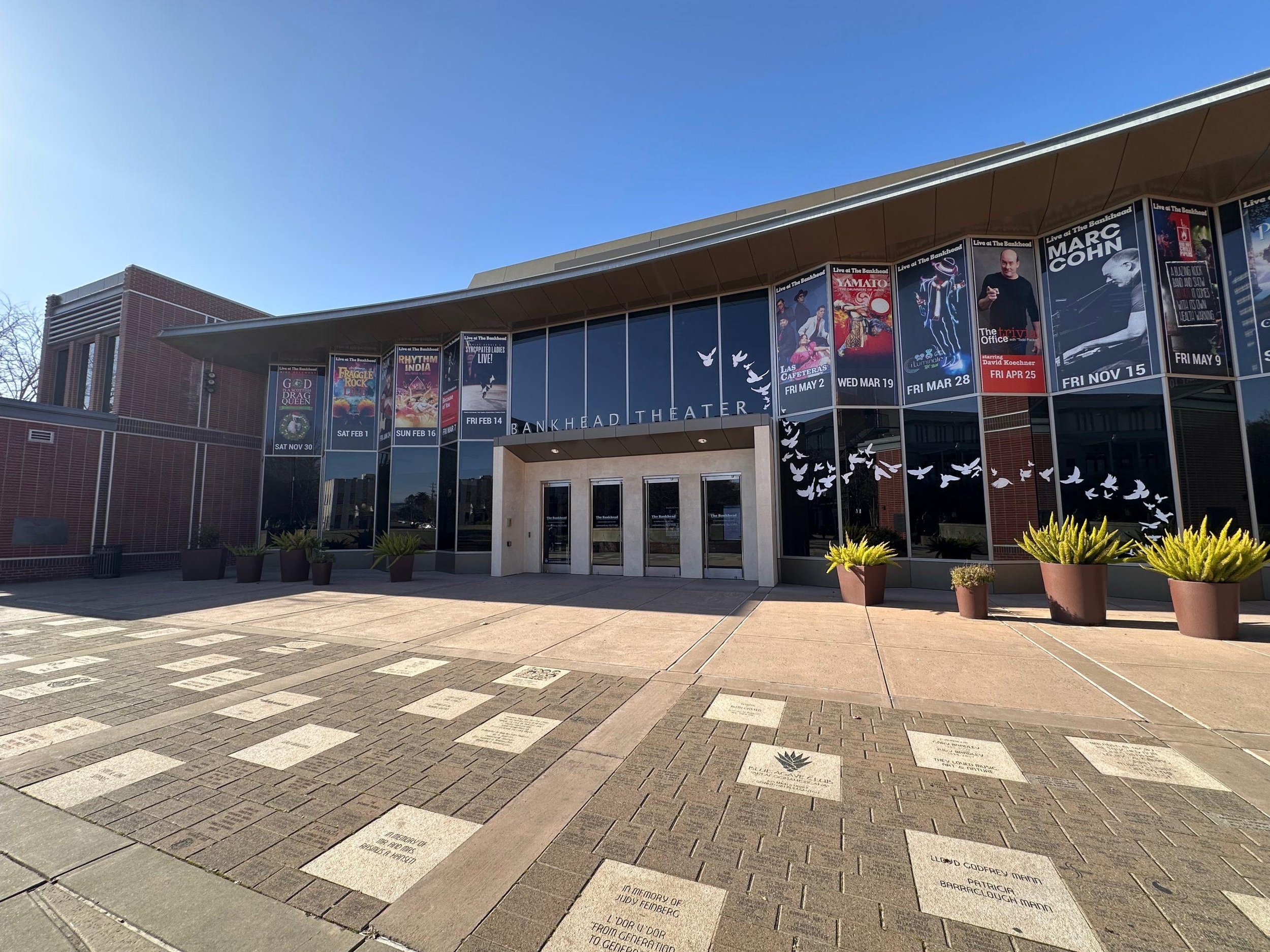
Bankhead Theater - Livermore
The Bankhead Theater is often cited as a model for how a community-supported performing arts center can help transform a downtown district. Opened in 2007 through a public-private partnership and strong philanthropic support, the theater became a catalyst for Livermore's broader downtown revitalization efforts. By attracting audiences for theater, music, dance, comedy, film, and educational programming, the venue has increased evening activity and encouraged visitors to spend time in nearby restaurants, wine bars, and retail businesses. The Bankhead demonstrates how a performing arts center can serve as both a cultural and economic asset—creating a welcoming gathering place, supporting local organizations, and contributing to a more active and connected downtown. It provides one of the strongest examples of how a theater can help turn a downtown into a destination while enhancing community life.
-
Arts and culture are powerful catalysts for economic development, helping to attract people, activity, and investment to downtown districts
— International Economic Development Council, The Impacts of Arts Event Venues on Smaller Downtowns
-
The arts are essential to the quality of life of communities and contribute to a sense of place, identity, and civic pride.
— National Endowment for the Arts
-
Attendees at nonprofit arts and culture events spend an average of $35+ per person at local restaurants, retail stores, parking garages, hotels, and other businesses in addition to the cost of admission.
— Americans for the Arts – Arts & Economic Prosperity